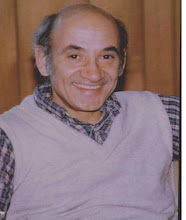
I have just launched my third novel, Judging Lura.
Judging Laura is
now available on Amazon.com and other online outlets, as well as through brick
and mortar bookstores.
.jpg) When doctors inform
Tom Bradshaw that his 12-year-old son, Link, is having a heart attack, he turns
incredulous. But the relative stability Link experiences after his initial
episode is soon offset by a flurry of negative test results, each of which
seems to illuminate more parts of an increasingly threatening outlook. Born
with a congenital heart defect, Link is in need of that most precarious of
operations: a heart transplant. He finds himself navigating not only hospitals,
complex prognoses and more tests, but the lingering grief he feels for his
mother, who perished in an auto accident a year prior. Still, he manages to
make friends with Marty, a cancer patient, who launches a spying operation that
unwittingly discovers the dilemma on which the novel hinges: Dr. Kenneth
Bernholtz, a family friend of the Bradshaws’, has been pilfering organs from
dead patients in an exasperated attempt to perfect a technology that preserves
harvested organs longer than usual. Several races against time ensue as Link’s
family struggles to procure him a working heart, Marty tries to determine her
fate amid rounds of chemo treatment, and Dr. Bernholtz endeavors to forestall
the collapse of his covert operation, which violates official procedures, in an
attempt to coordinate more crucial transplantations. Rendered in snappy prose,
the narrative nonetheless unfolds at a consistent pace; the dialogue is mostly
fresh, the characters, sensitive and realistic. The novel’s climax, which
pivots on the tension between patients’ rights and the medical community’s task
of saving lives, highlights the profound moral ambiguity and emotional tumult
of this still highly relevant issue in bioethics. Bernholtz, committed to his
cause to a fault, provides a moving case study in the limits of compassion.
When doctors inform
Tom Bradshaw that his 12-year-old son, Link, is having a heart attack, he turns
incredulous. But the relative stability Link experiences after his initial
episode is soon offset by a flurry of negative test results, each of which
seems to illuminate more parts of an increasingly threatening outlook. Born
with a congenital heart defect, Link is in need of that most precarious of
operations: a heart transplant. He finds himself navigating not only hospitals,
complex prognoses and more tests, but the lingering grief he feels for his
mother, who perished in an auto accident a year prior. Still, he manages to
make friends with Marty, a cancer patient, who launches a spying operation that
unwittingly discovers the dilemma on which the novel hinges: Dr. Kenneth
Bernholtz, a family friend of the Bradshaws’, has been pilfering organs from
dead patients in an exasperated attempt to perfect a technology that preserves
harvested organs longer than usual. Several races against time ensue as Link’s
family struggles to procure him a working heart, Marty tries to determine her
fate amid rounds of chemo treatment, and Dr. Bernholtz endeavors to forestall
the collapse of his covert operation, which violates official procedures, in an
attempt to coordinate more crucial transplantations. Rendered in snappy prose,
the narrative nonetheless unfolds at a consistent pace; the dialogue is mostly
fresh, the characters, sensitive and realistic. The novel’s climax, which
pivots on the tension between patients’ rights and the medical community’s task
of saving lives, highlights the profound moral ambiguity and emotional tumult
of this still highly relevant issue in bioethics. Bernholtz, committed to his
cause to a fault, provides a moving case study in the limits of compassion.